

Digital Out-Of-Home (DOOH) advertising is rapidly expanding and transforming the traditional media landscape. To help you running successful digital out-of-home campaigns, we’ve compiled a complete glossary of essential terms.
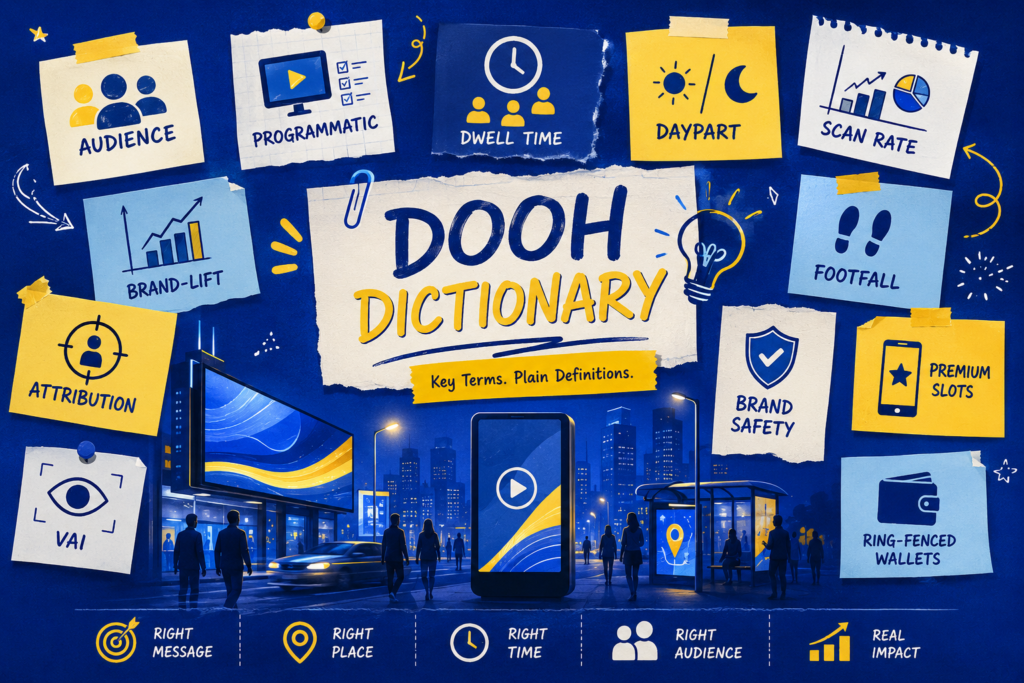
Continuing from Part 1, below are plain definitions of advanced DOOH terms you will see : in-venue, programmatic, dwell, daypart, scan rate, footfall, brand-lift, attribution, VAI, ring-fenced wallets, premium slots, and the rest.
Jump by letter below.
A
Ad fill
The percentage of a screen’s playtime that runs paid creative versus venue-owned content. Each venue picks its own ad-fill ratio per screen, from 0% to 100%.
Ad slot
A bookable opening on a playlist where ad creative renders. Slots are weighted, not fixed; the player chooses the highest-value eligible creative for each one in real time.
Attribution
Linking an advertising exposure to a downstream action: a venue visit, a QR scan, an online purchase. The Digital advertising and content distribution platform attributes scans to the specific screen, venue, and daypart that delivered the impression.
Audience
The number and type of people exposed to a screen with an opportunity to see the ad. Audience can be measured using demographic, socioeconomic, or behavioral data.
Audience Impressions
A measurement unit that includes the total number of people who have an opportunity to see (traffic), notice, and engage with a message, based on ad duration.
B
Brand-lift
The measurable change in awareness, recall, or purchase intent caused by a campaign. Market research organizations runs opt-in brand-lift surveys to a sample of exposed and control audiences and reports the deltas with sample sizes.
Brand safety
Ensuring ads only run alongside content (or in venues) consistent with the brand’s values.
C
Campaign
A brief, a budget, a schedule, a target plan, and a set of creatives. Once approved, campaigns deliver impressions across paired screens that match the targeting filter. The unit of work in Ads Manager.
D
Daypart
A defined window of the day (morning rush 06:00 to 10:00, lunch 11:30 to 14:00, evening 17:00 to 21:00). DOOH targeting can isolate dayparts to match consumer mindset and venue occupancy.
Digital Billboard
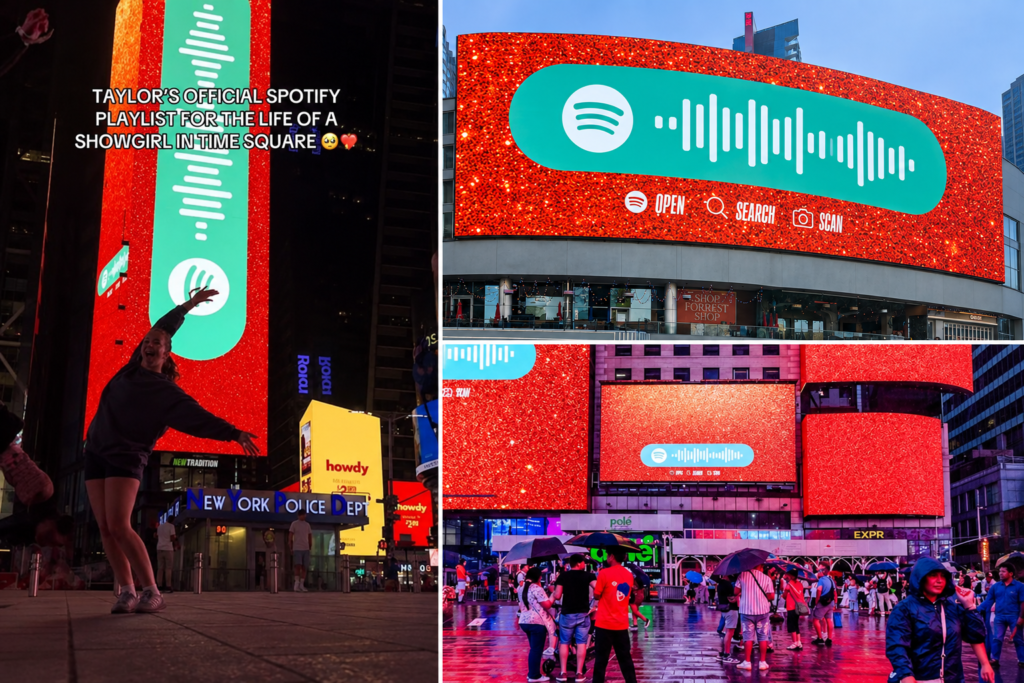
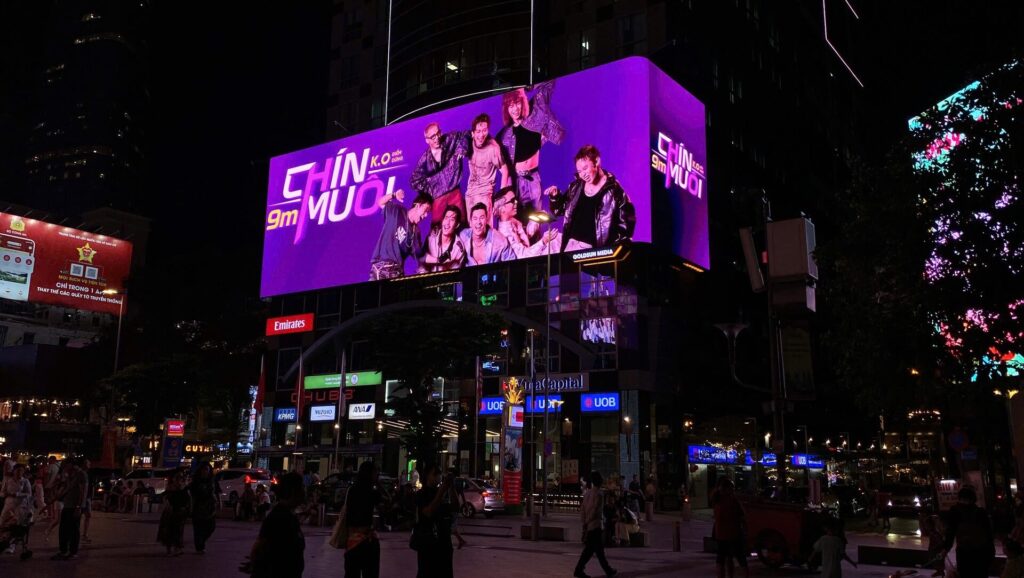
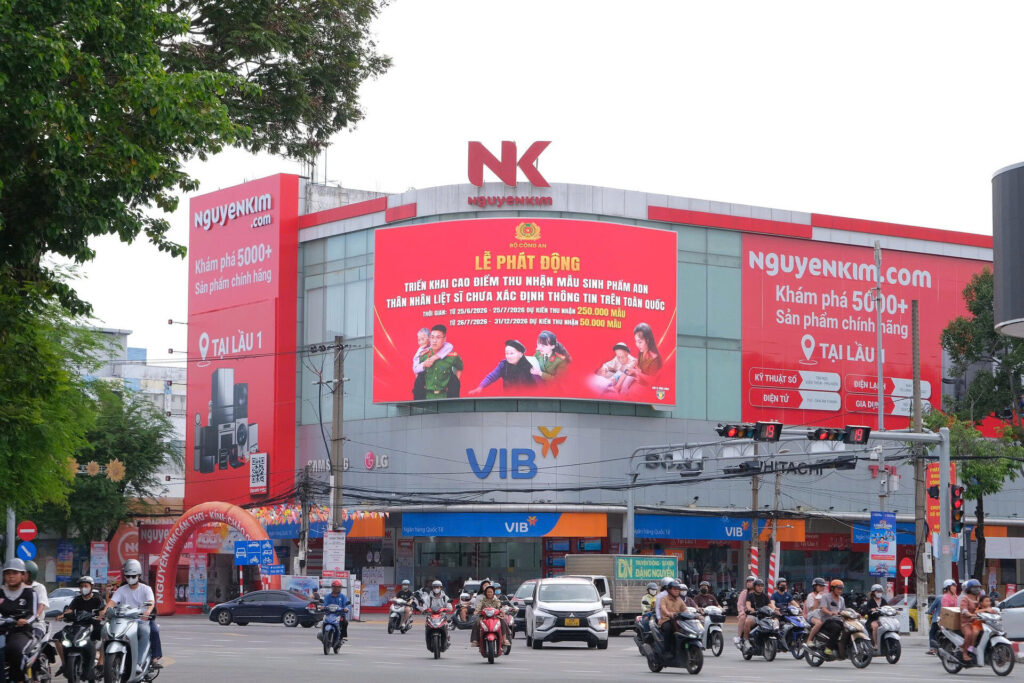
A display that rotates multiple ad creatives every few seconds using digital technology. Content is usually static and displayed in short cycles.
DCO (Dynamic Creative Optimization)
Technology that automatically adapts creative content based on context (weather, time, location, etc.).
DSP (Demand Side Platform)
A platform used to buy advertising space programmatically. DSPs allow advertisers and agencies to efficiently and precisely purchase DOOH inventory.
Dwell time
How long an audience is in front of a screen, which is what allows creative to actually land.
F
Footfall
The estimated number of people passing through a venue or zone over a defined time window. Used in forecasting impression bands and shaping venue commission tiers; measured passively via the module where paired.
Forecast
An estimate of servable impressions, scan rate, and pacing for a campaign brief and budget. Forecasts return a low and high band and a daily pacing curve.
Frequency
The average number of times a person is exposed to an ad during a given period.
I
In-venue advertising
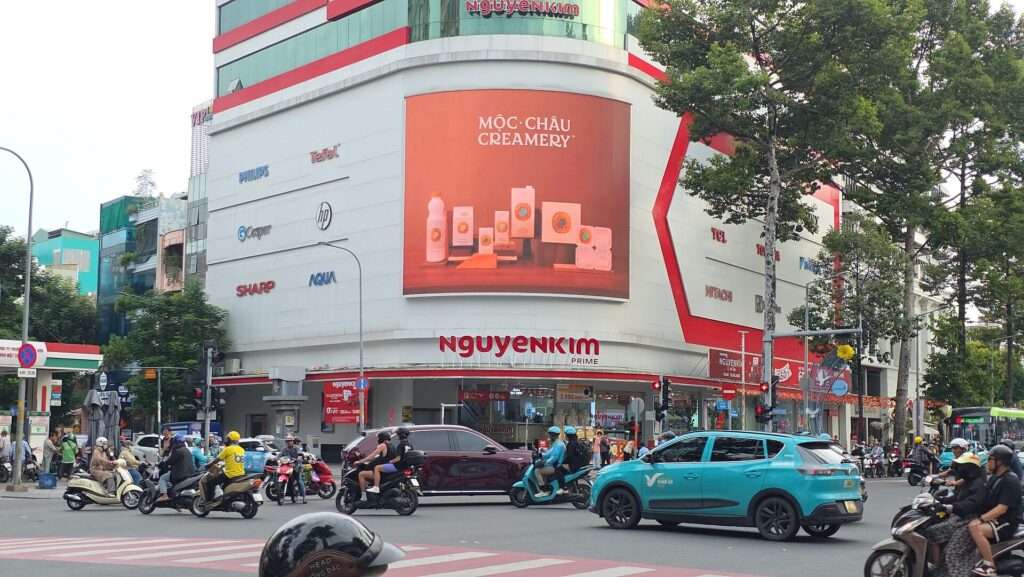
DOOH delivered on screens placed inside venues: cafés, gyms, salons, clinics, hotels, co-working, supermarkets, lounges… Audiences are stationary and contextually engaged with 4 to 20 minute dwell times.
Inventory
All available ad space across digital screens.
DOOH Buying Methods: There are several ways to purchase DOOH ad space:
- Direct Buying
- Pros: Direct contact with sellers, negotiable rates, guaranteed slots
- Cons: Less flexible, longer process
2. Programmatic Buying
- Cons: Can be more expensive, requires technical knowledge
- Pros: Flexibility, automation, precise targeting
P
Programmatic
Automated buying and selling of ad space in real time, allowing for refined targeting and continuous campaign optimization.
Q
QR attribution
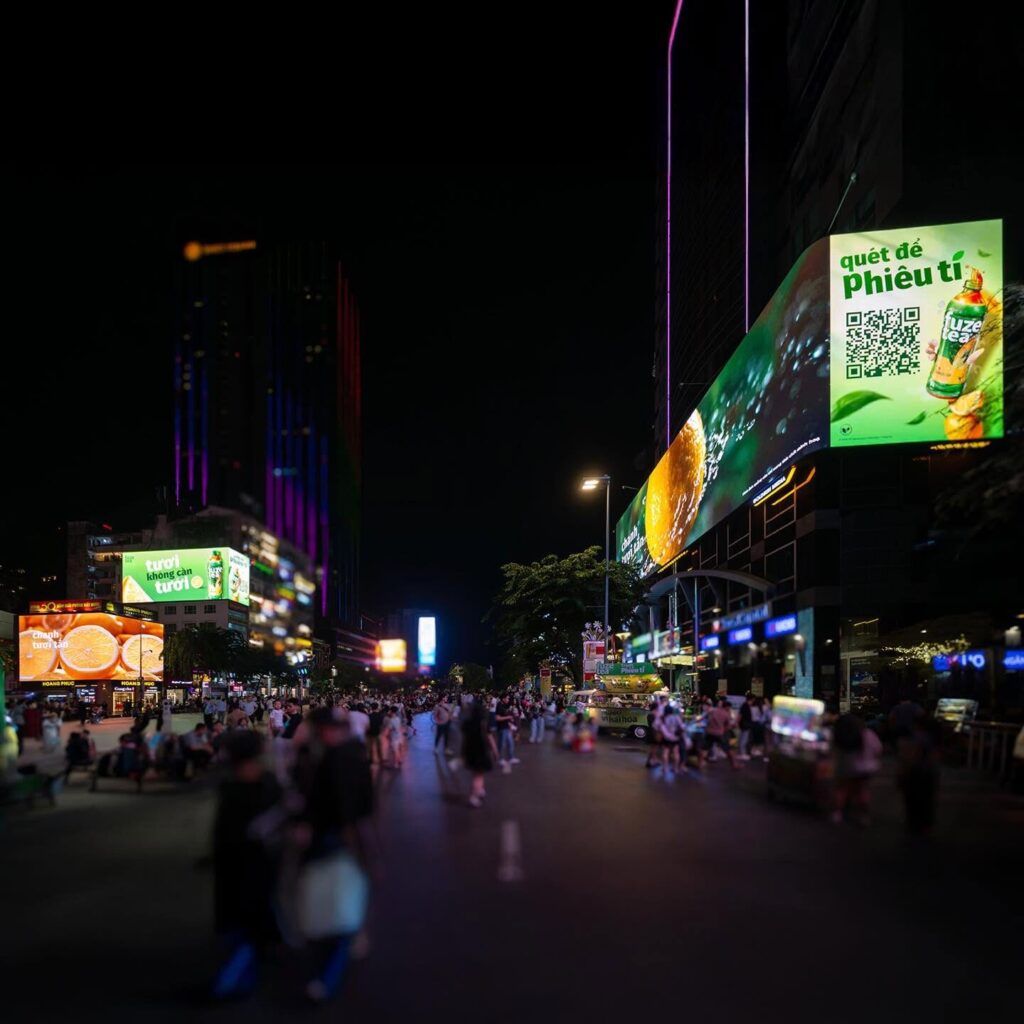
Tracking conversions by including a unique QR code on each creative that ties scans to the specific screen, venue, and daypart they were scanned from.
R
Reach
Number of unique individuals exposed to a campaign over a given period.
RTB (Real-Time Bidding)
Real-time auction system for buying DOOH placements programmatically.
S
Scan rate
The percentage of impressions that result in a QR scan.
Share of Voice (SOV)
The percentage of screen time purchased by one brand compared to others.
Slot fill
The percentage of ad slots that successfully serve creative.
Social DOOH
Strategy that combines DOOH and social media to maximize visibility — e.g., sharing a physical campaign on Instagram or TikTok.
SSP (Supply-Side Platform)
Platform used by publishers to sell their DOOH inventory via DSPs.
V
Viewability Rate
The percentage of a target audience that actually saw the ad. In DOOH, this is often higher than in digital due to screen placement.
Check out Part 1: OOH terminology for beginners here.