Digital Out-of-Home (DOOH) advertising is expanding its messaging capabilities from delivering content on fixed schedules to adjusting content based on time, weather, location, and events.
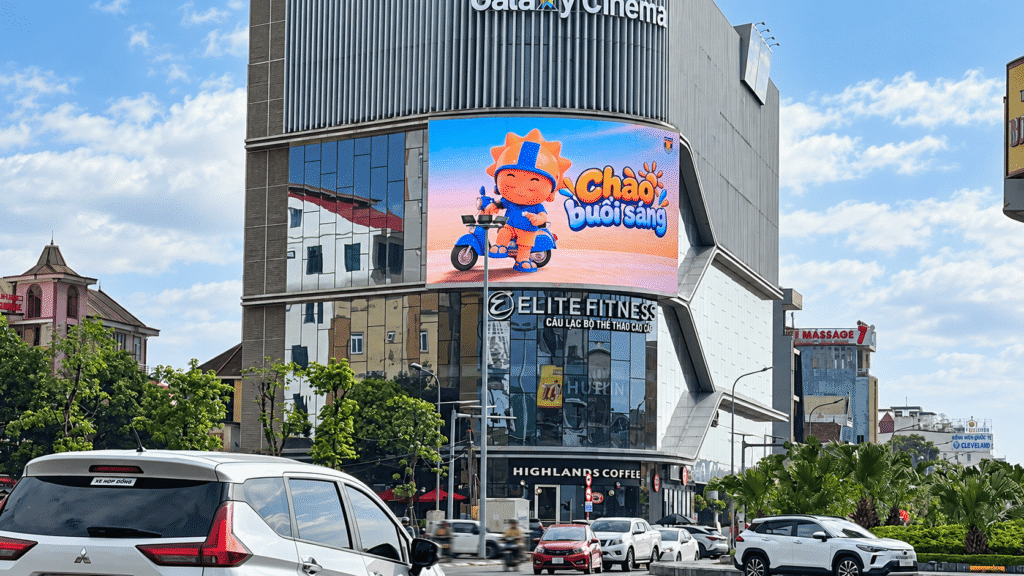
When combined with data, content management technology, and appropriate creative strategies, this approach helps brands increase the relevance of advertising at each touchpoint. However, its effectiveness depends on how well the context, message, and campaign objectives align.
DOOH Is More Than Just Digital Screens
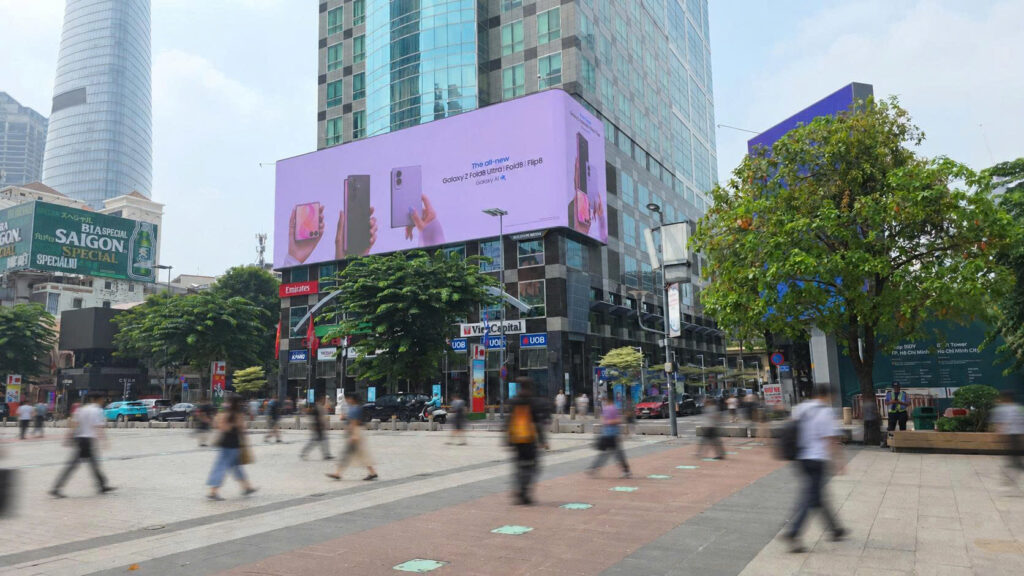
An important distinction between DOOH and static OOH is not simply the ability to display moving images. Its greater value lies in the ability to change content throughout a campaign.
According to the IAB’s definition, one of the core characteristics of DOOH is dynamic content: messages can be adjusted in real time based on factors such as time of day, weather, location, and event developments, including sports scores, promotional activities, or countdowns.

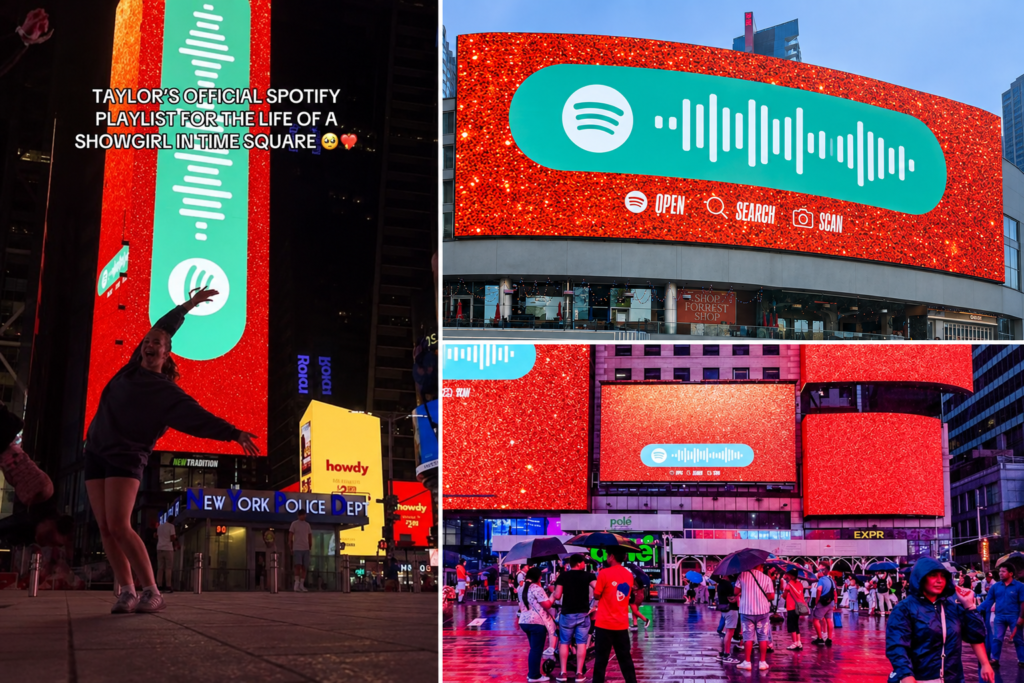
This opens up a different approach to out-of-home advertising. Instead of maintaining the same content throughout a campaign, brands can develop multiple versions of their messages and establish display conditions suited to different contexts and audiences. The distinction lies not only in the ability to display moving images but also in how content is selected, distributed, and updated during campaign execution.
Relevant Content Can Improve Advertising Recall
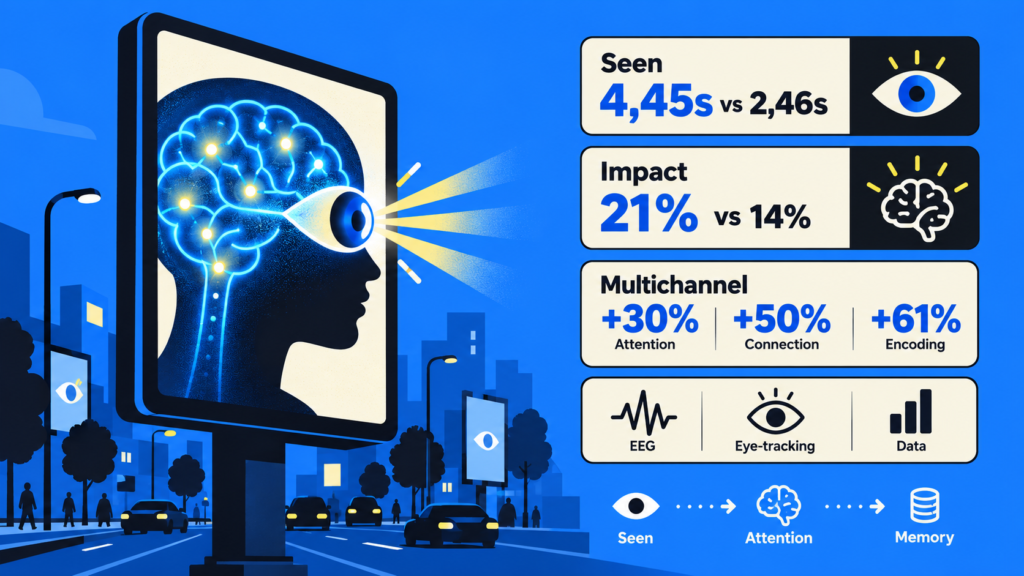
Content flexibility offers more than just novelty. The Creative Evolution of Digital Out of Home (DOOH) study by QMS and Neuro-Insight found that creative content changed over time achieved 38% higher long-term memory encoding on the fifth day compared to content that remained unchanged.
Notably, these changes do not necessarily require producing an entirely new TVC. The study found that small adjustments, such as colors, wording, days of the week, or actual temperatures, can introduce new elements to each exposure. A campaign combining the day of the week with live temperature data performed 18% above the average of the DOOH campaigns included in the study.
This changes how frequency is viewed. Consumers continue to encounter the same brand, but each exposure introduces an additional layer of information. Familiarity is maintained while the content continues to evolve.
From Weather to Travel Journeys: How Does DOOH Adapt?
In practice, DOOH content can adapt to multiple layers of context. Based on time, an F&B brand can shift its messaging from breakfast to lunch and dinner. Based on weather, beverage advertisements can appear when temperatures rise, while different creative content can be activated when it rains.

Based on location, messages can include the distance to the nearest store. Based on events, screens can update countdowns, scores, results, or content immediately following a significant moment.
Dynamic Creative Optimization also allows advertising copy, images, products, or promotional offers to be adjusted based on signals such as time, weather, traffic, location, and product availability.
This is the fundamental distinction of contextual DOOH: media does not remain separate from its surrounding context but becomes part of it.
The Technology Behind Contextual Advertising
To achieve this, the technology behind the screen becomes just as important as the media location itself.
A DOOH system needs to support centralized management, the creation of multiple content versions, content allocation to individual screens or screen groups, and rapid scheduling adjustments as circumstances change.
For basic campaigns, brands can develop a content matrix in advance: creative A for mornings, creative B for peak hours, and creative C for weekends. At a more advanced level, content can be linked to signals such as weather, countdowns, or developments during an event.
And in moments when speed is essential, the time gap between “what just happened” and “what appears on screen” becomes a communication advantage.
Flexible DOOH Operations
This is also one of Goldsun Media’s objectives in operating its nationwide DOOH network.
Through its centralized Content Management System (CMS), content can be flexibly managed and coordinated across individual screens, screen groups, time slots, and campaign phases. The system is designed to support content changes based on time, context, weather, and real-world data, while enabling rapid updates when campaigns need to respond to events as they unfold.
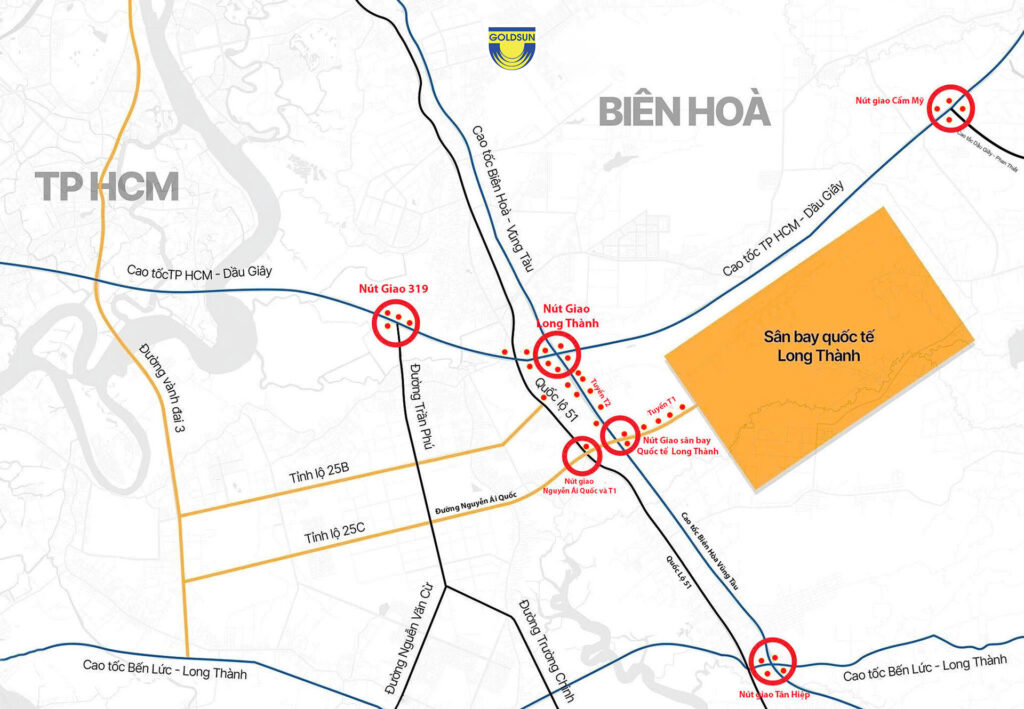
This capability is particularly meaningful when combined with a DOOH network spanning multiple locations. Instead of updating each screen individually, brands can develop multiple layers of content and deploy them simultaneously across a group of locations, an entire city, or multiple markets.
One example is ASEAN Cup 2026. Throughout the tournament, the DOOH network was used to update content according to developments in the matches. Immediately after the final ended, a congratulatory message celebrating the champions was displayed across the nationwide DOOH network.

At that moment, the screens were not simply running a previously scheduled campaign; they were directly participating in a moment of shared public interest.
This is precisely the value of real-time operations: helping OOH narrow the gap between real-world events and brand content.
The Future of DOOH Is Not Just About Bigger Screens
For many years, the development of OOH has often been assessed through locations, screen sizes, or the number of displays. However, as digital infrastructure continues to advance, a new advantage is becoming increasingly evident: the ability to connect content with the context in which consumers encounter it.
When supported by relevant data, content management technology, and a consistent creative strategy, digital out-of-home advertising can help brands deliver messages that are more closely aligned with the timing and circumstances of audience exposure.
This also represents DOOH’s transition from a display medium to a flexible content platform in physical spaces, where CMS technology, data, creative content, and operational capabilities collectively determine the value of each touchpoint.