In the fast-moving consumer goods (FMCG) industry, a common yet challenging psychological phenomenon plays out every day: “sleep shopping.” Consumers walk into supermarkets or convenience stores, move along the aisles, and pick up products almost on autopilot, driven largely by habitual behavior with little conscious thought. When this habit is compounded by inflationary pressures, increasing price sensitivity, and the strong rise of retailers’ own-label brands, FMCG brands face a critical challenge: How can they break the cycle of established shopping behaviors and encourage consumers to try new products?
In an era of booming digital media, where online ads can be easily skipped or blocked by users, why do the world’s leading FMCG companies continue to pour substantial budgets into Out-of-Home (OOH) advertising?
Here are 6 strategic findings from real-world research data that shed light on why OOH remains a key driver for the FMCG industry.
Breaking the “Sleep Shopping” Habit Through the 200-meter “Golden Window”
The “sleep shopping” phenomenon turns consumers into habitual shoppers who follow predetermined purchasing patterns. To change this behavior, brands need a “visual interruption point” just before consumers make their final purchase decision. OOH serves as a trigger that breaks this habitual cycle along the consumer’s journey to the point of sale. Real-world statistics from JCDecaux and Outsmart demonstrate the impact of the moments immediately before purchase:
- 83% of shoppers remember seeing an OOH ad within 30 minutes before entering a store.
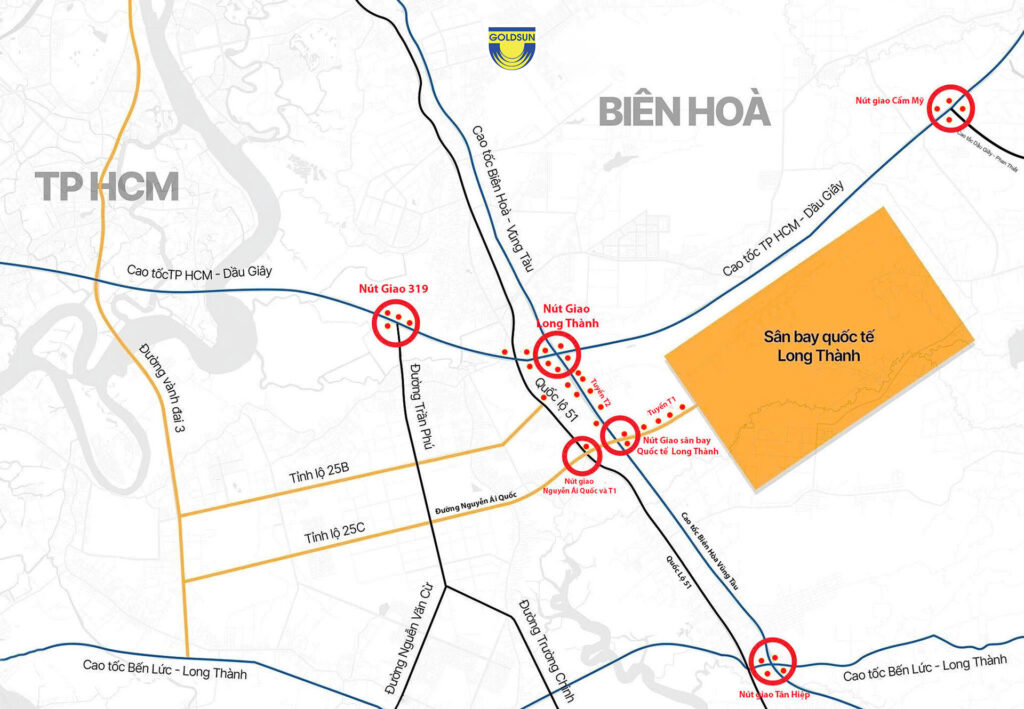
- OOH advertising strategically placed within a 200-meter radius of a point of sale significantly increases engagement and drives immediate purchase decisions.
“OOH has a powerful impact at key moments. It acts as a subtle nudge, reminding shoppers to choose a product.” — María Robinson
“You Can’t Lie in Public”: The Power of Reinforcing Trust and Pricing Power
Against the backdrop of rising living costs, consumers are becoming increasingly discerning and less willing to take financial risks on unreliable products. Bauer Media’s “The Moment of Trust” study found that 68% of consumers say trust in a brand has become a decisive factor when choosing products. As a public mass-media channel, OOH offers a level of transparency and credibility that surpasses individually targeted forms of advertising in the digital space. Brand promises displayed publicly on large screens in shared public spaces create a strong sense of trust and credibility.
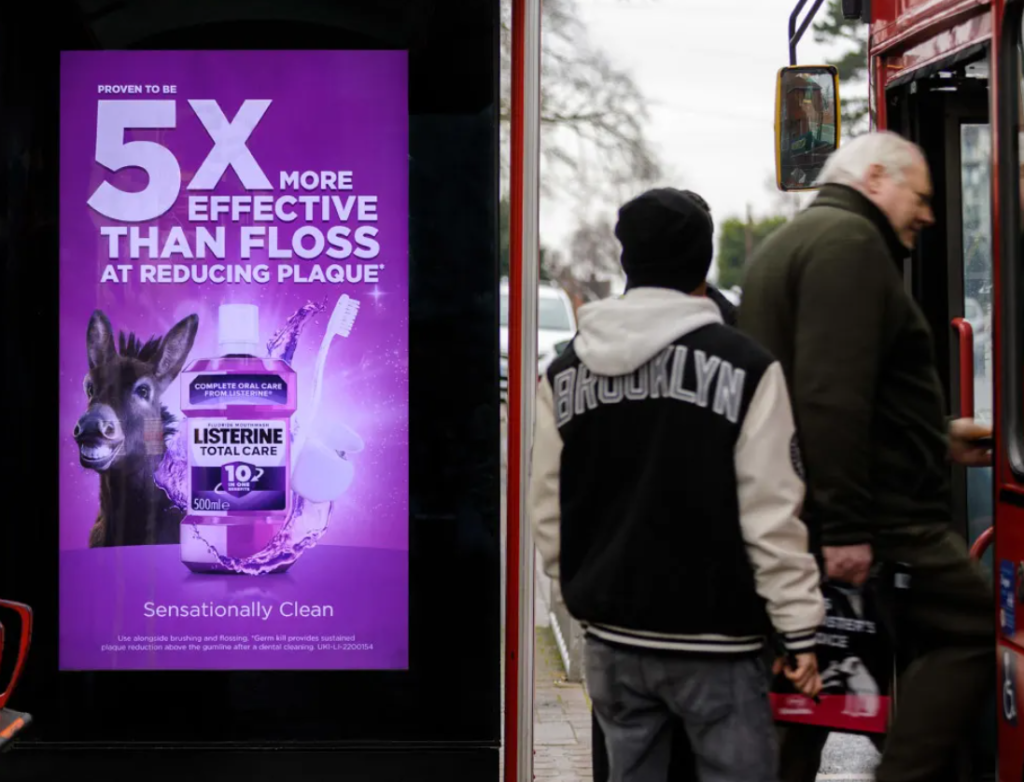
According to Kantar, the strong brand trust built through OOH can increase pricing power. When brands establish meaning, differentiation, and salience, FMCG companies can gain greater pricing power, helping them move beyond the fierce “price war” with low-cost competitors or retailers’ own-label brands.
A Launchpad for Driving Online and In-Store Conversions
The notion that OOH and Digital/E-commerce are competing channels is fundamentally misguided. In reality, OOH acts as a psychological priming tool that enhances the effectiveness of digital media campaigns. Data from Alliance Media shows:
- 75% of people who see an OOH ad will use their smartphones immediately afterward.
- 45–50% conduct searches for information about the brand on search engines.
- 40% make an online purchase.
Impulse purchases at the point of sale are considered the most distinctive and prominent conversion mechanism of OOH for the FMCG industry:
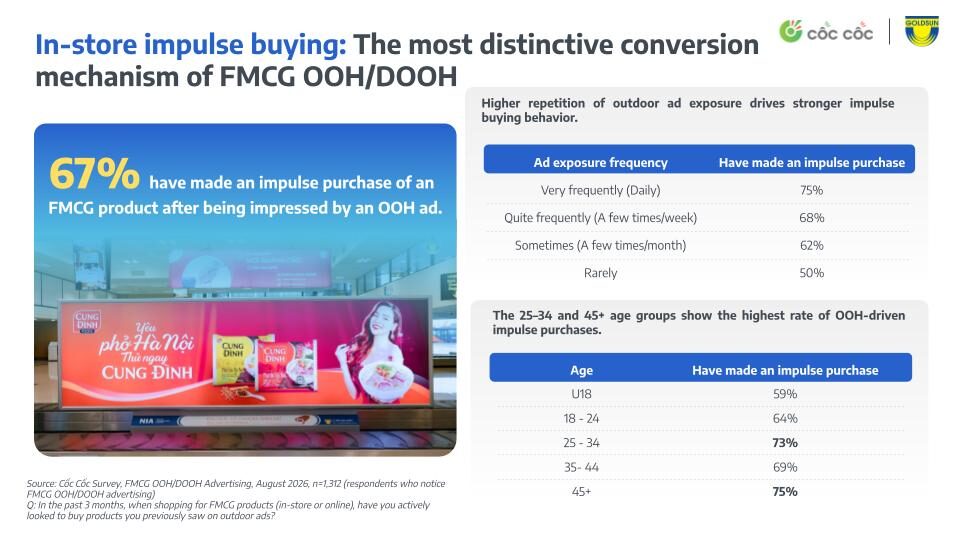
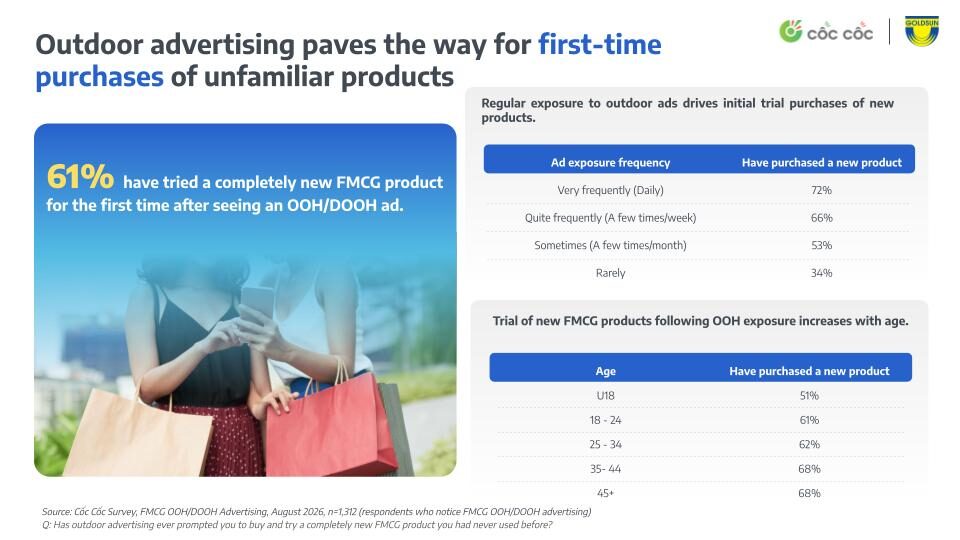
The report “The Role of Outdoor Advertising in the FMCG Shopping Journey,” published by Goldsun Media in collaboration with Cốc Cốc in October 2026, found that as many as 67% of consumers reported having made an impulse purchase of an FMCG product at the point of sale simply because they were impressed by the outdoor advertisement.
The frequency of exposure to outdoor advertising is positively correlated with purchase behavior at the point of sale. Consumers who see advertising daily have an impulse purchase rate as high as 75%, while those exposed several times a week reach 68%.
Winning at “Category Entry Points” (CEPs) with DOOH Technology and Dynamic Content
In FMCG marketing theory, capturing “Category Entry Points” (CEPs) – the real-world cues that trigger purchase needs, such as weather, time, location, or emotional state – is fundamental to establishing mental availability just before the moment when physical availability arises.
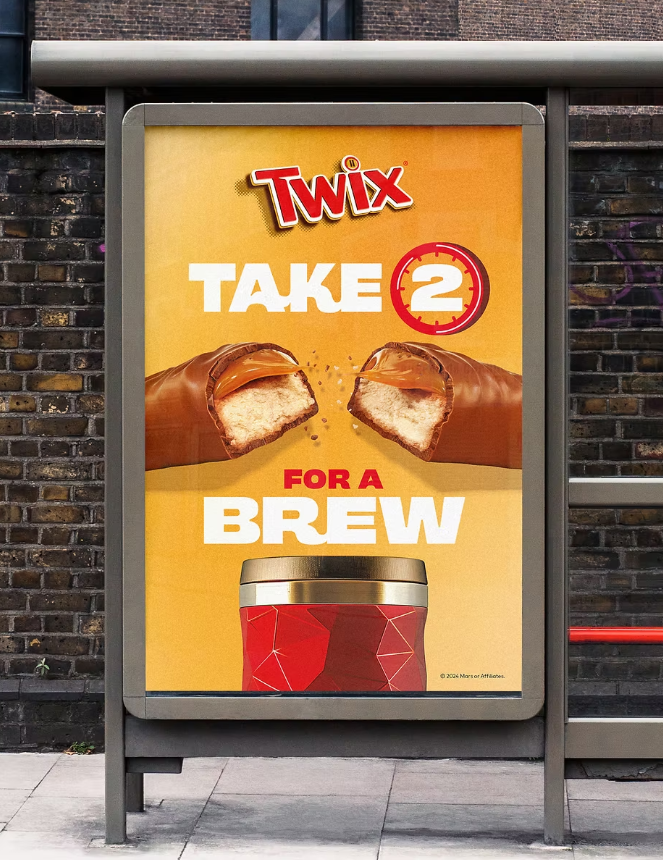
- Twix’s “Take 2 for a Brew” Campaign (2023): Precisely targeted the late-morning snacking window (11 AM–2 PM) near convenience stores. Twix appeared at exactly the moment when shoppers felt tired and needed an energy boost, helping the brand achieve an immediate increase in sales.
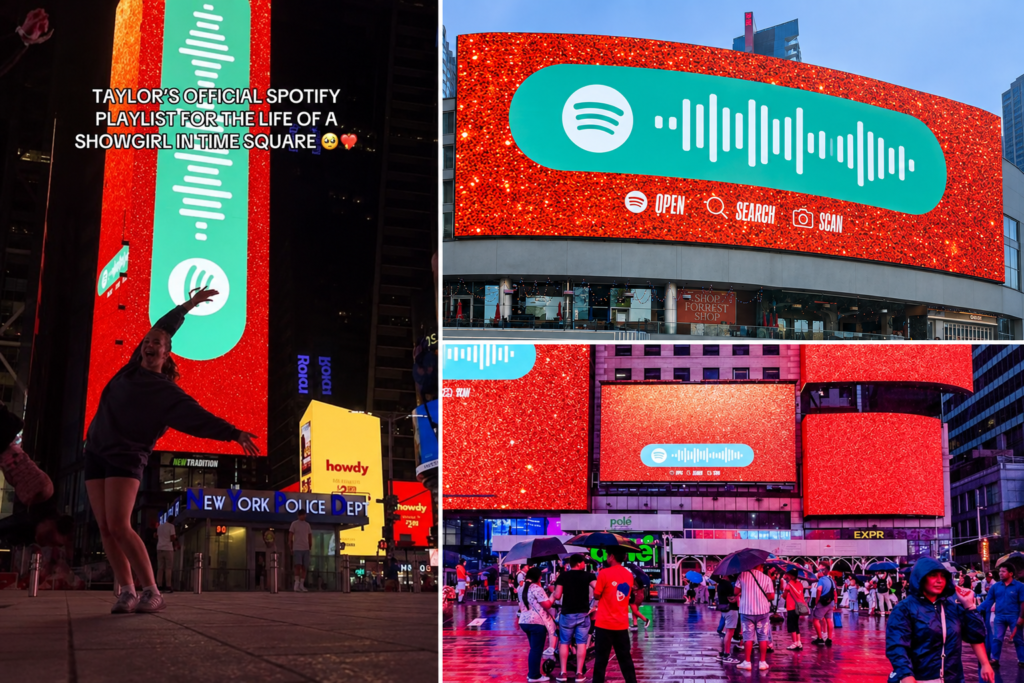
- Spotify’s “Daylist” Campaign: Made full use of local context by tailoring OOH billboard content to reflect the distinct music tastes of each city, such as New York and Los Angeles. The use of contextually relevant and flexible wording sparked lively conversations and significantly increased engagement.
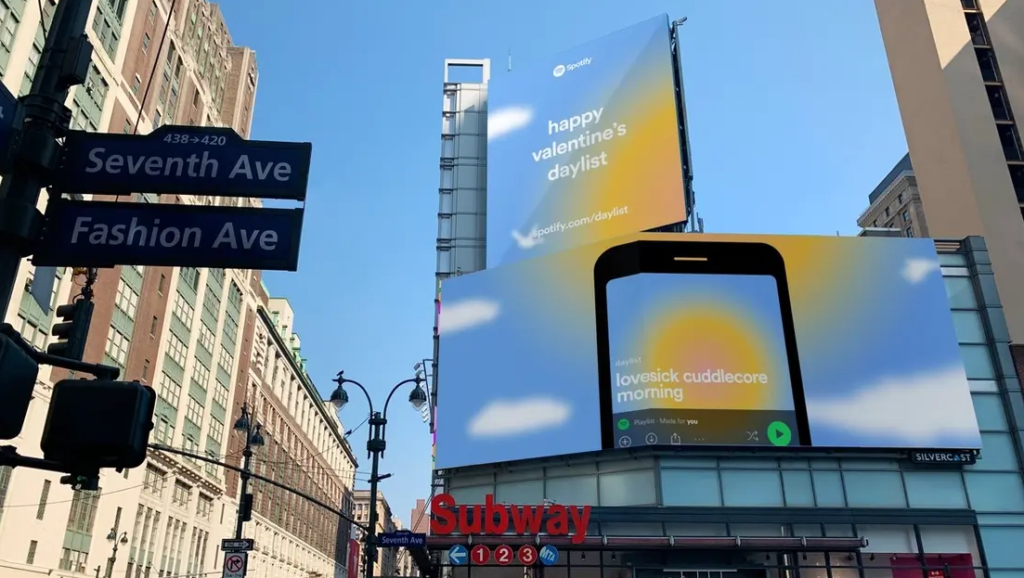
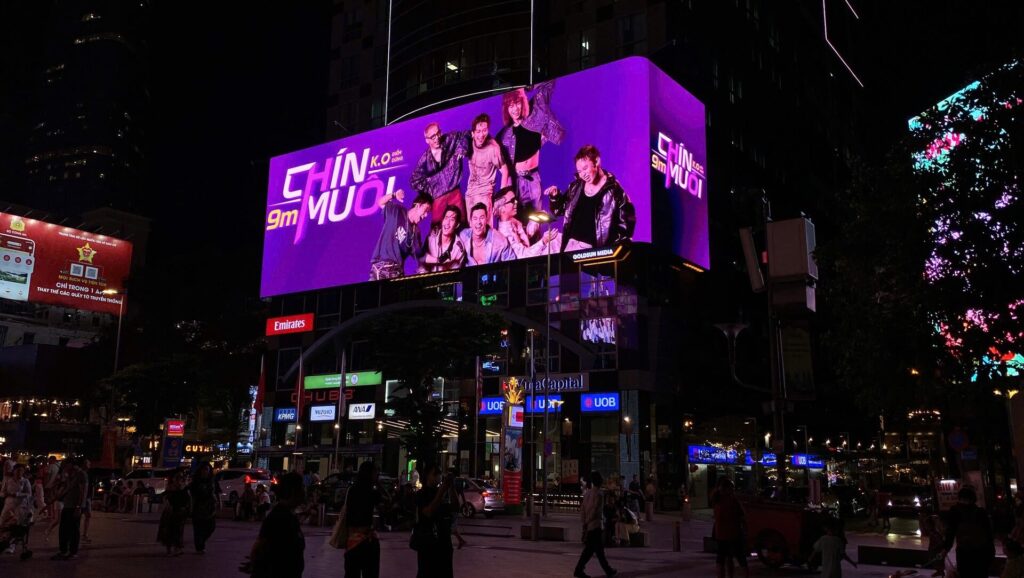
The growth of Digital Out-of-Home (DOOH) enables businesses to flexibly adjust messaging in real time: automatically switching to cold beverage ads when temperatures rise, adapting messages to rainy or sunny weather, or increasing display frequency during peak hours – all without incurring printing or reinstallation costs.
The Ripple Effect: Advertising in One Location, Driving Sales Across the Region
A Test-and-Control study conducted by Posterscope in collaboration with IRI across the snack and confectionery categories uncovered a highly valuable “Ripple Effect” generated by OOH advertising placed near points of sale (Proximity OOH). Contrary to the common assumption that OOH only influences the store located closest to the billboard, the study demonstrated sales growth across all three areas:
- Proximity store: Stores located immediately near the OOH advertising site recorded a 10.9% increase in sales.
- Boundary stores: Stores located within the same postal sector recorded an 11.3% increase in sales.
- Delayed stores: Stores located within the same postal district still recorded an 8.7% increase in sales.
Across the entire test network, Proximity OOH generated an average 8.2% increase in product sales and delivered strong return on investment, achieving an ROI of £1.64 for every £1 spent on OOH media. This demonstrates that OOH not only stimulates impulse purchases at the point of sale, but also reinforces brand awareness throughout consumers’ journeys across the wider area.
The Trade Marketing Lever: Using OOH to Increase Visibility at the Point of Sale
Beyond the goal of reaching consumers (B2C), OOH campaigns also hold a powerful B2B advantage: the Trade Marketing lever that directly influences retailers.
In the FMCG industry, the battle for shelf space and prime shelf positioning directly influences purchasing power. Major brands such as Coca-Cola have deployed a strategy of placing OOH advertising within a 50–200-meter radius of major retail chains such as Whole Foods, Boots, and Morrisons.
The implicit B2B message is powerful: the brand is investing heavily to drive sales, not only inside the store but also by bringing customers to your store.
This signal of commitment creates significant leverage in trade negotiations, helping brands secure eye-level shelf placement, end-cap displays, and priority in-store programs.
The Future of OOH in FMCG Marketing Strategy
Out-of-Home advertising is evolving into a precise, flexible, and data-rich media channel. For the FMCG industry, OOH addresses both strategic objectives: building long-term brand value and driving immediate sales.
Faced with constantly evolving consumer habits, FMCG brand managers need to ask a strategic question: “Does your next media strategy fully leverage the power of the real-world spaces where your customers move, live, and make purchase decisions every day?”